1. Assess the space
The team looks at where powder or residue is, what materials are involved and who will use the space next.
St. Paul, MO · St. Charles County
Family members clearing a home or car in St. Paul should not handle unknown powder. Call (877) 812-4220 to set up safe removal, cleaning and disposal of contaminated items.
If anyone is in danger, call 911 first. For a suicide crisis, call or text 988.
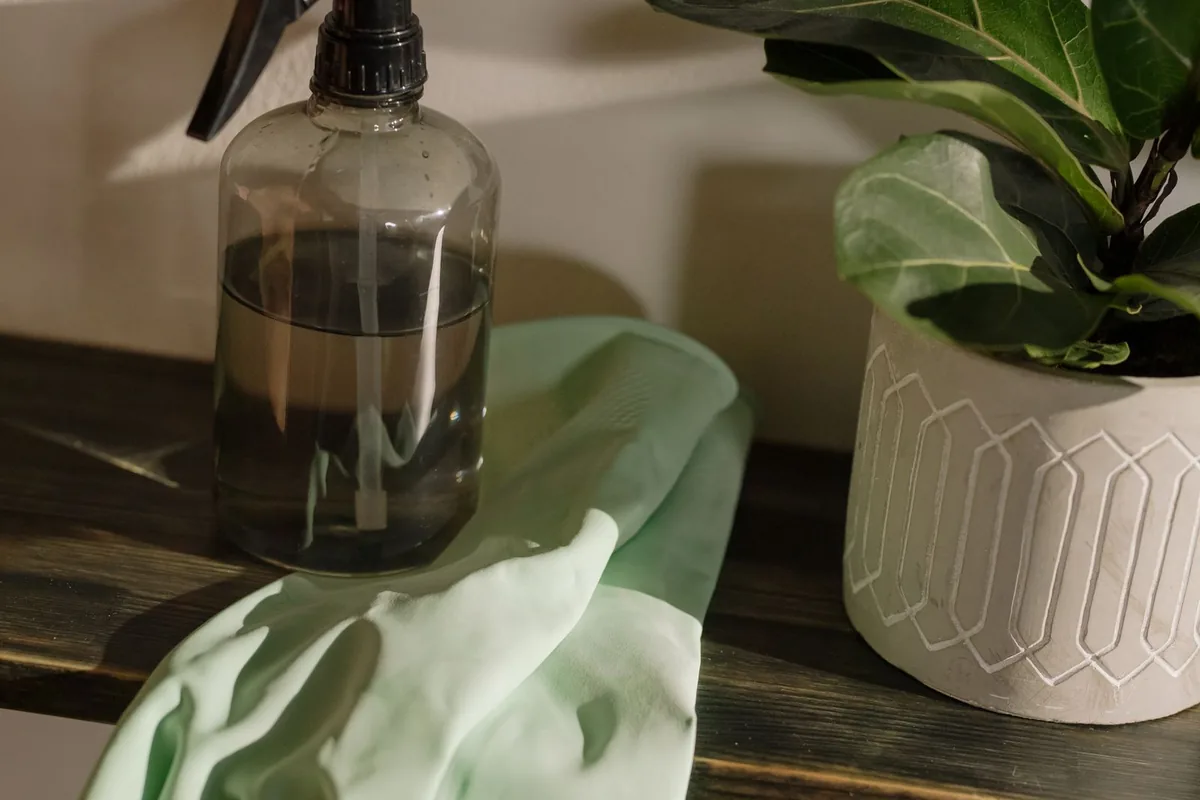
Fentanyl exposure cleanup removes the source of the hazard so people and pets can use the space again. It is separate from medical treatment, which is for emergency responders and doctors.
Anywhere in St. Charles County, you can get local biohazard cleanup for fentanyl and other drug residue jobs. In St. Paul, that can mean a single restroom or an entire house. Why Choose St. Paul Biohazard Cleanup Help? You get one call and a clear plan.
Most homes in St. Charles County are owner occupied, with renters at about 20% of households, so many calls come from families clearing a home or vehicle. People who may have been exposed should get medical care. Ssm St Joseph Hospital West in Lake Saint Louis is the closest emergency room to St. Paul.
The work often covers:
The team looks at where powder or residue is, what materials are involved and who will use the space next.
Loose powder, pills, packaging and other items are collected and sealed first.
Cleaning goes from the highest surfaces to the floor, with fresh materials at each stage to avoid spreading residue.
Sealed waste leaves the property, and the owner can request records of the cleanup.
Fentanyl decontamination in St. Paul, MO typically costs $3,000 to $30,000, depending on the size of the affected area and the materials involved.
Disposal of contaminated materials as hazardous waste is part of the price, and it changes with the amount and the rules that apply.
| Type of job | Typical range |
|---|---|
| Fentanyl cleanup | $5,000 - $30,000+ |
| Fentanyl cleanup | $3,000 - $20,000 |
Estimates only, not a quote. Sources: Biohazard cleanup company pricing guide. Price drivers include area affected, testing before and after, protective gear and disposal, materials that must be removed. Call (877) 812-4220 to talk through the job.
Fentanyl itself usually has little smell, but drug use can leave other odors in fabric and walls. Once contaminated materials are out, a team can treat odor. Ask what methods the team uses and whether that is part of the plan.
It depends on the policy. Some policies cover certain contamination cleanup, and others exclude drug-related damage. Read your policy and call the insurance company before cleanup starts. Take photos from a safe spot and keep every receipt.
It is not recommended. Sweeping, wiping and vacuuming can lift fine powder into the air. Leave the area, keep people and pets out, and call 911 in an emergency or Poison Control with questions. Then ask a cleanup team about decontamination.
Many teams can arrive in an unmarked vehicle and work quietly. If privacy matters, ask about it when you call. The crew asks only what it needs to plan the work, and you decide what else to share.
Owners usually carry the cost of cleaning their own property. For rentals, the lease and local law decide who is responsible, and a landlord, an attorney or a tenant rights group can say. Businesses and fleet owners should check their commercial policies.
Some teams offer sampling and some do not. Rules for testing and clearance vary by place. Ask the team what it checks, and ask the local health department what applies where you live.
Ask about discreet arrival in an unmarked vehicle if privacy matters.
Call (877) 812-4220